01
Three Core Pain Points in Industrial LDAR Implementation
Complex Sealing Points with High Detection Difficulty
Industrial equipment has various types of sealing points (valves, flanges, pump shafts, sampling ports, etc.) that are scattered, and many points are located in narrow spaces or high-risk areas. Traditional detection equipment is large and difficult to operate, making full coverage impossible.
Multiple Environmental Interferences with Low Data Accuracy
Industrial sites contain a large amount of water vapor, dust, and volatile organic compounds. Traditional sensors are easily interfered, resulting in large data deviations, which cannot be used as valid basis for repair and reporting.
High Labor Costs with Difficult Data Closed-Loop Management
Manual recording of detection data and report writing are not only inefficient but also prone to errors. Meanwhile, data is difficult to integrate with enterprise management systems, making it impossible to form a closed-loop management of "detection-repair-re-inspection-reporting".
02
LS4 Laser Methane Sensor: An "Efficiency Tool" for LDAR Work
Accurate Detection in Line with LDAR Technical Specifications
According to the Technical Guidelines for Leak Detection and Repair of Industrial VOCs, LDAR detection requires accurate identification of leak point concentrations to ensure that "all leak points are detected and repaired".
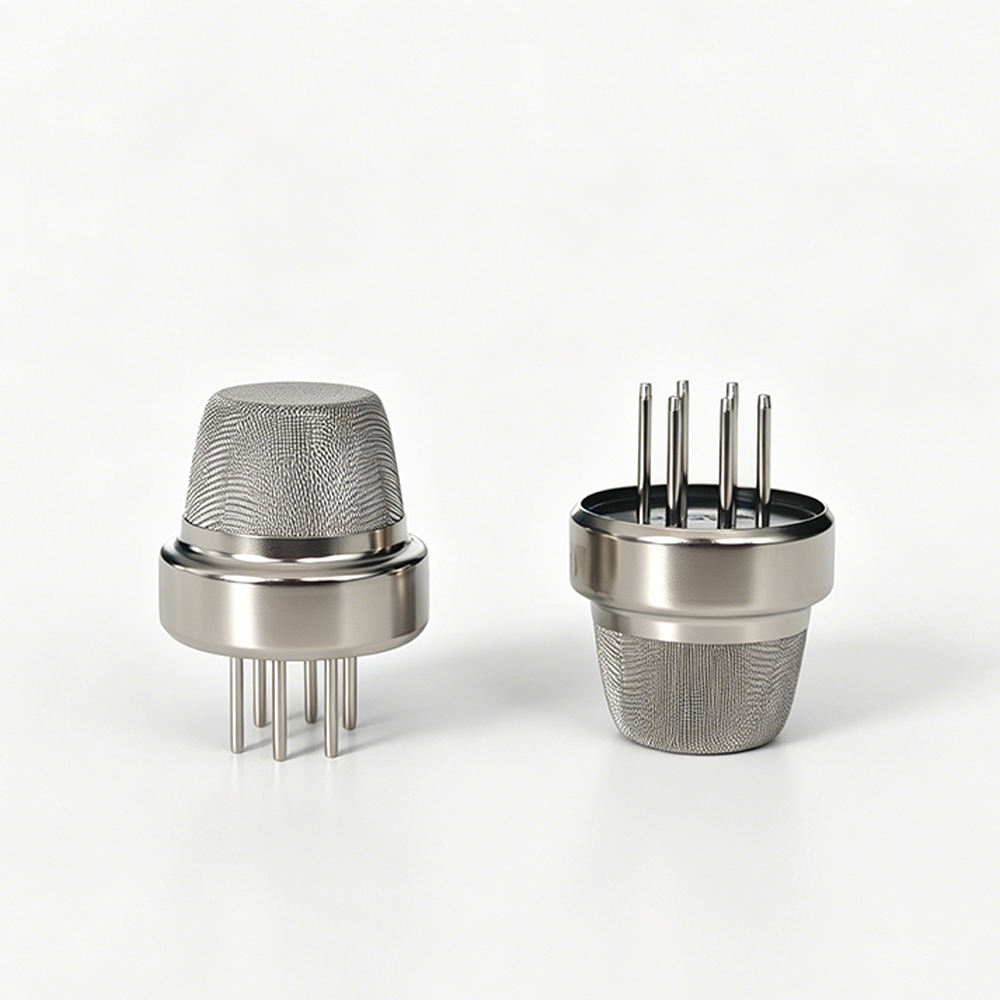
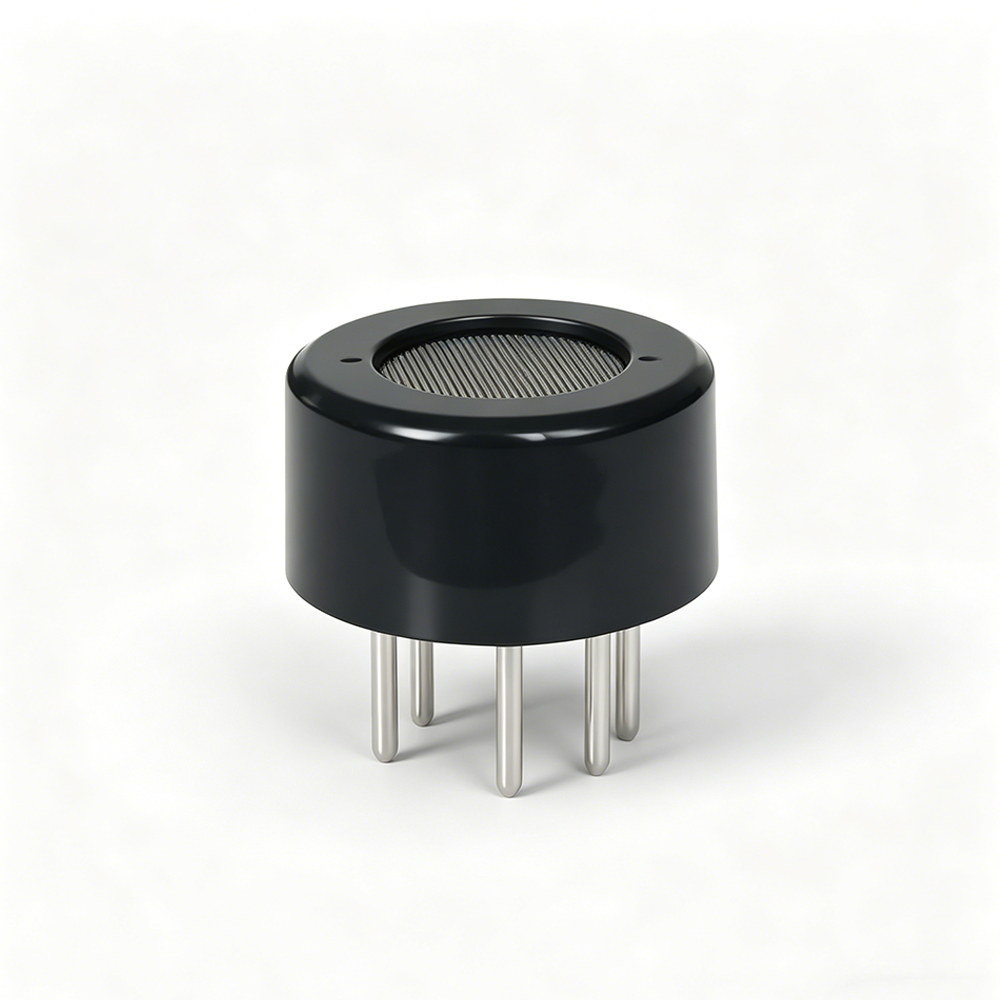
The LS4 adopts TDLAS technology with unique selectivity for methane and no interference. Its wide measurement range of 0–100%VOL can detect both trace leaks and high-concentration leak scenarios. During detection, the sampling probe can be directly attached to the sealing point, and even narrow locations such as valve stuffing boxes and flange gaps can be easily tested, fully complying with LDAR on-site detection requirements.
Rapid Response to Facilitate Timely Leak Repair
LDAR requires the first repair of leak points within 5 days of discovery and substantive repair within 15 days, which puts forward high requirements for detection efficiency and data feedback speed.
The LS4 has a response time of ≤20 seconds, with detection data displayed in real time, allowing staff to judge whether it is a leak point on the spot. It supports dual output of TTL serial port and analog signal, and detection data can be directly uploaded to the LDAR management system, automatically generating a list of leak points, providing maintenance personnel with accurate location and concentration information, and significantly shortening the repair cycle.
Closed-Loop Data to Simplify Report Compilation Process
The core of LDAR work is data traceability, requiring the preparation of initial reports and annual reports to be submitted to regulatory authorities.
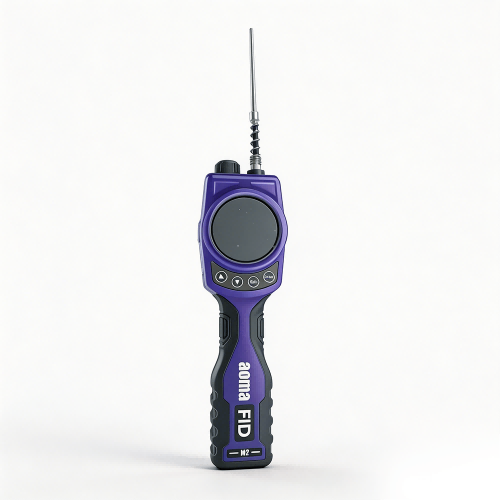
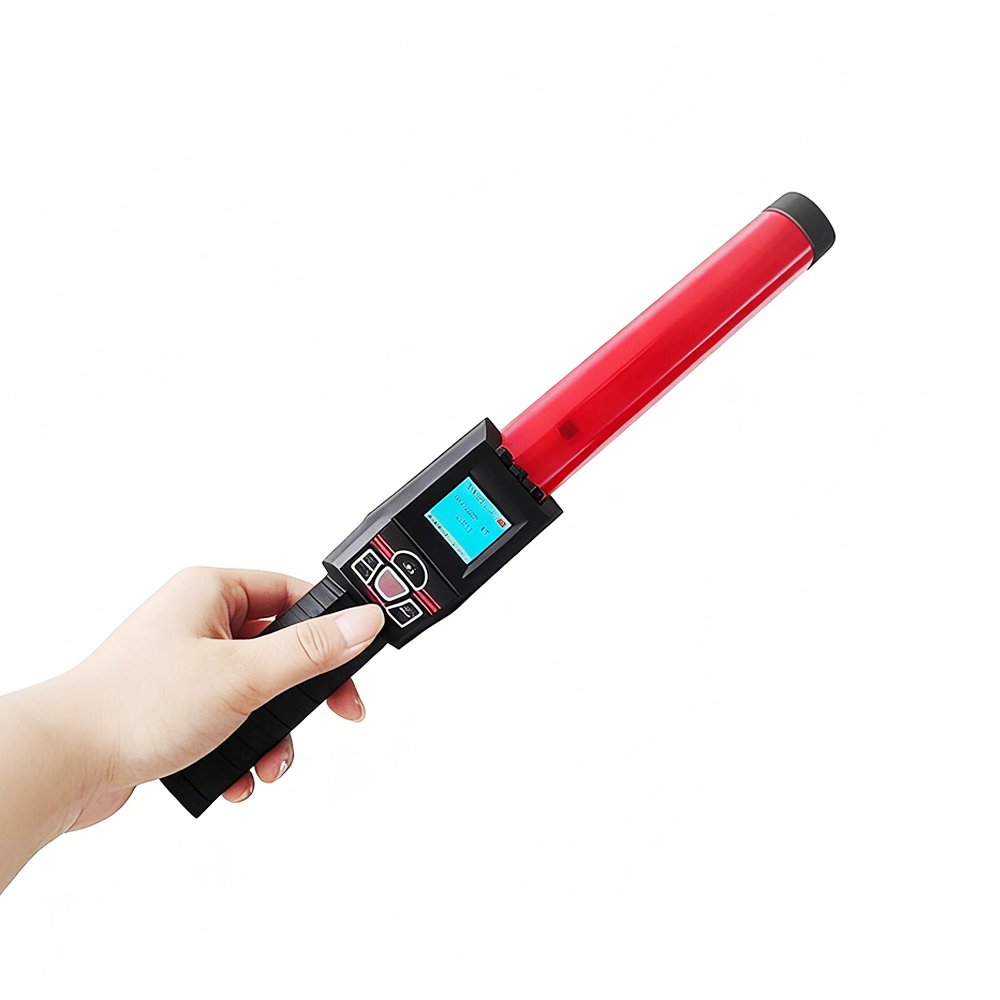
When paired with the MST410 detector, the LS4 sensor can seamlessly integrate with the enterprise LDAR management system. Detection data is automatically stored and uploaded without manual entry. The system can automatically generate reports such as leak point statistics and repair completion status based on the data, directly meeting the reporting requirements of regulatory authorities, allowing enterprises to bid farewell to the tedious process of "manual report writing".
Flexible Deployment to Reduce LDAR Implementation Costs
The compact LS4 can be installed as an accessory of fixed detectors at high-risk sealing points for 24/7 real-time monitoring, or used as the core detection component of portable equipment to complete periodic inspections with patrol personnel.
With a sensor lifespan of over 5 years and no frequent calibration required, it greatly reduces equipment purchase and maintenance costs. Compared with traditional detection equipment, the LS4 can improve LDAR detection efficiency by 80% and reduce labor costs by 50%.
03
Three Advantages of LS4 in Supporting LDAR Work
Compliance: Detection data meets the requirements of the Action Plan for Methane Emission Control and LDAR technical guidelines, and can be directly used for regulatory inspections.
Efficiency: Full-coverage detection, rapid response, and automatic reporting significantly shorten the LDAR work cycle.
Cost-Effectiveness: Long service life and low maintenance reduce the long-term costs of enterprise LDAR implementation.
 Hot News
 EN
EN
 CH
CH AR
AR BG
BG DA
DA NL
NL FR
FR DE
DE EL
EL HI
HI IT
IT JA
JA KO
KO PL
PL PT
PT RO
RO RU
RU ES
ES SV
SV TL
TL IW
IW ID
ID LV
LV UK
UK VI
VI TH
TH TR
TR FA
FA MS
MS SW
SW GA
GA BE
BE UR
UR BN
BN MY
MY SI
SI KU
KU