01
Three Key Modifies for Common Combustible Gases in the New National Standard
We note that the new standard has revised the lower explosive limits (LEL) of several common combustible gases, including:
Methane: changed from 5.0%vol to 4.4%vol
Propane: changed from 2.2%vol to 1.7%vol
Butane: changed from 1.8%vol to 1.4%vol
For details, please refer to the comparison of the two sets of standards in the figure below. In comparison, the new standard has significantly tightened the safety thresholds for combustible gases.
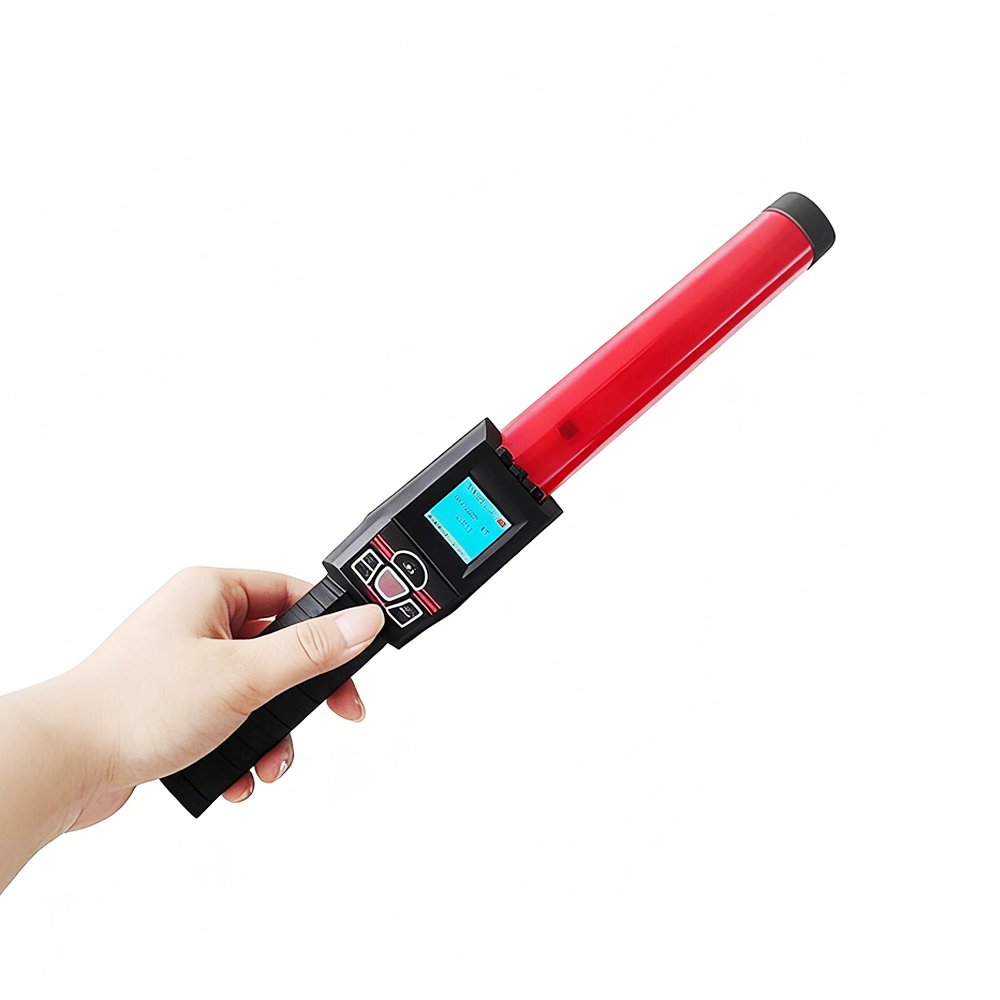
With more than one year left before implementation, industrial enterprises in coal mining, chemical manufacturing, gas distribution, utility tunnels, oil and gas and other sectors should prepare for a full upgrade of their existing detectors in advance to avoid operational disruptions caused by non-compliance.
02
Why Lower Explosive Limits Require Higher-Precision Sensors
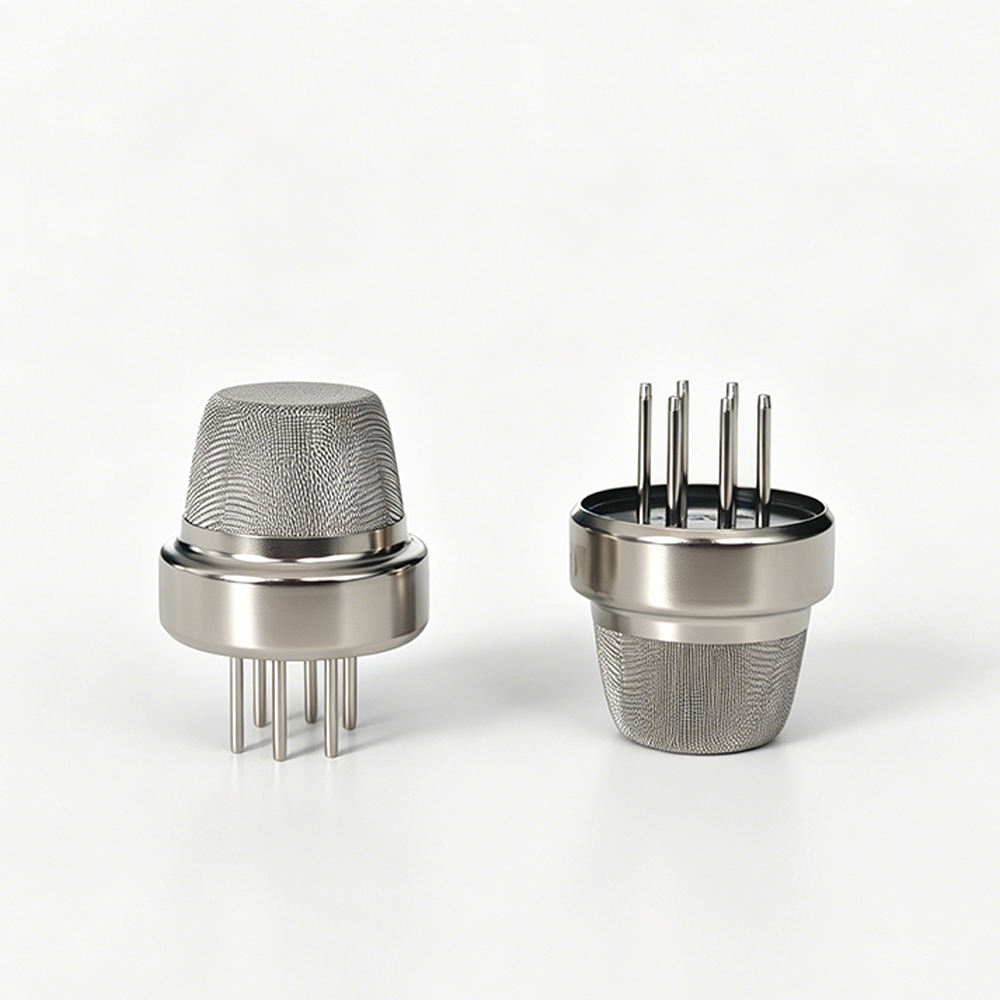
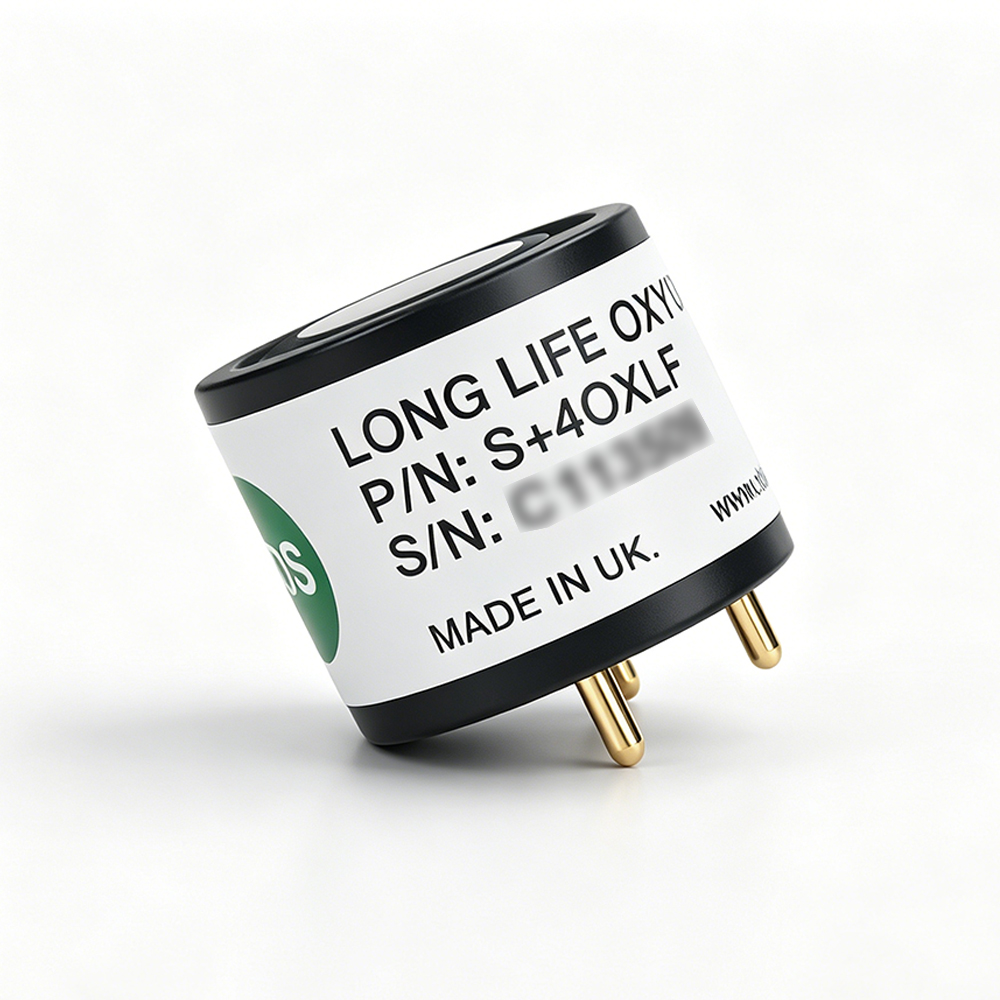
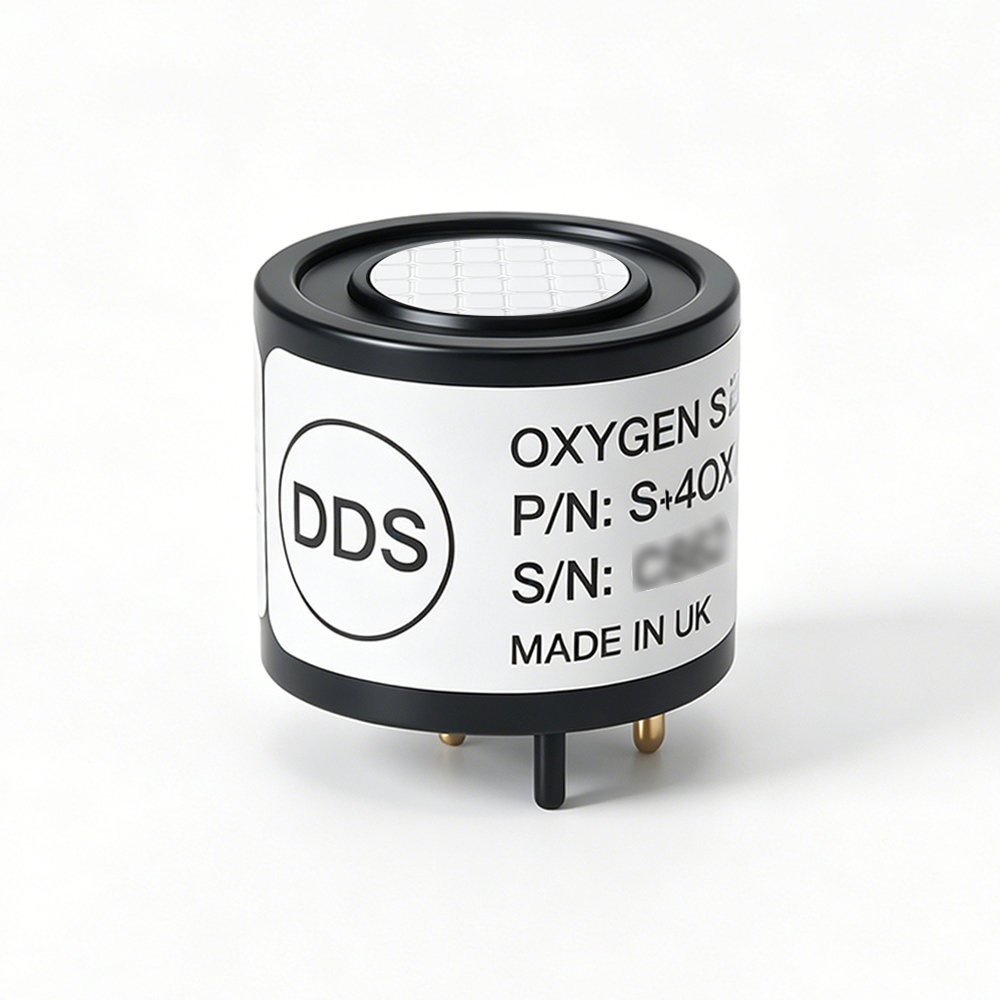
Old-version catalytic combustible gas sensors
Poor accuracy and large signal drift, unable to support accurate alarm triggering at 4.4%vol
Prone to sensor poisoning and interference from other gases, water vapor and dust
Fail to meet the environmental tolerance and accuracy requirements of the new national standard
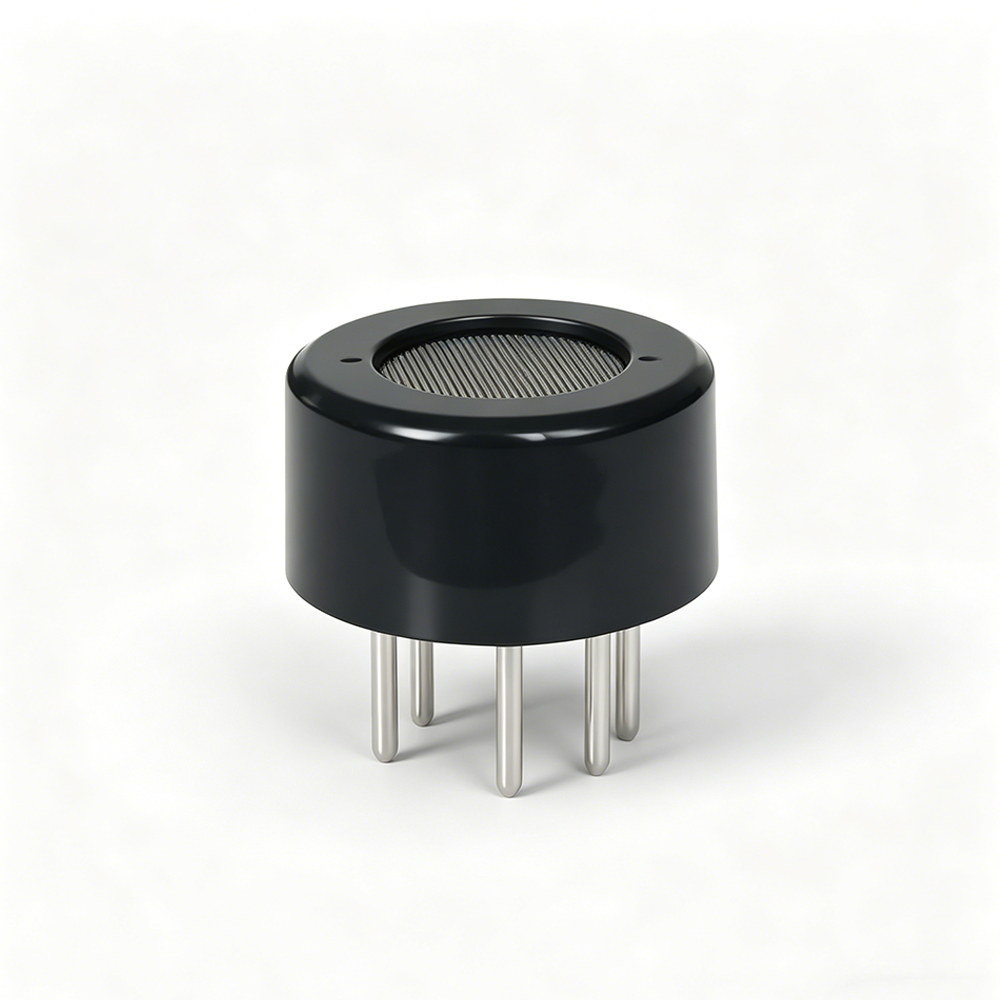
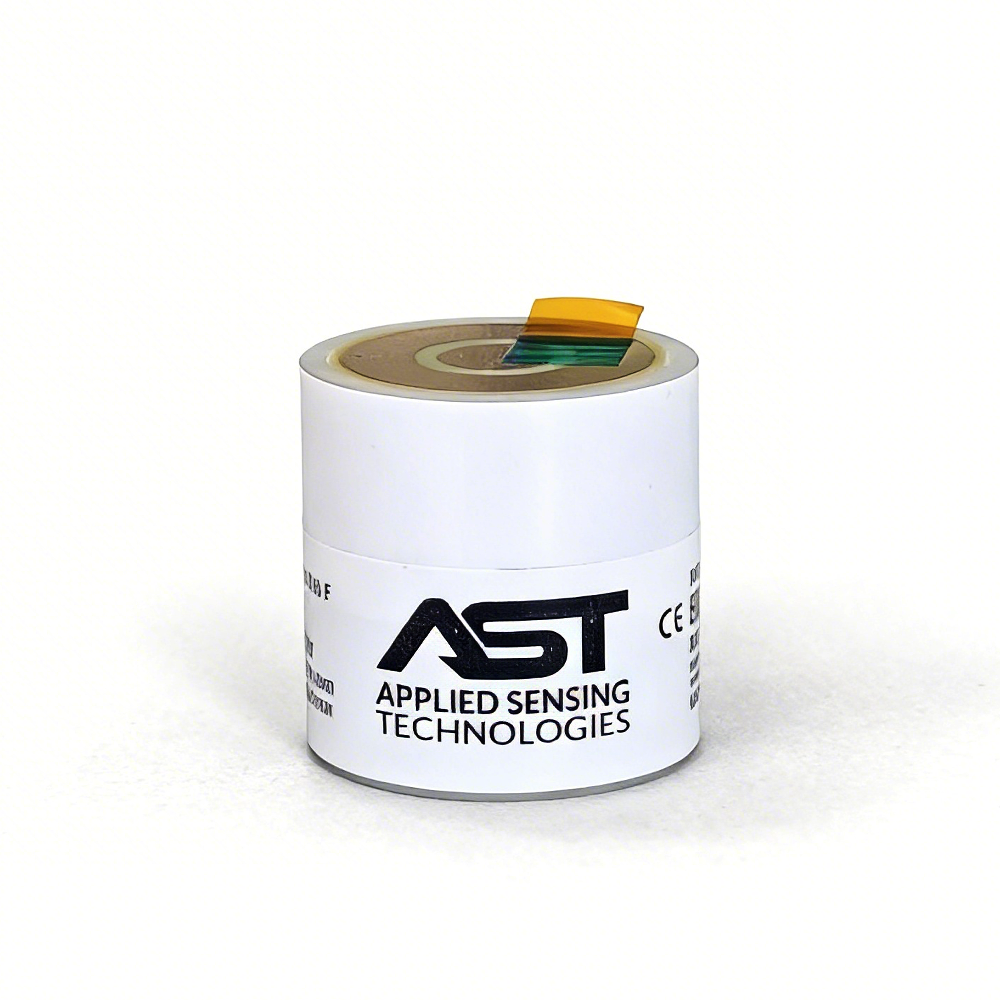
Newly Launched MST Laser Methane LS4 Sensor
Ultra-high precision adaptation: Full measurement range from 10000ppm to 100%vol, with an error of ±0.03%vol (300ppm) and a resolution of 0.01%vol. Its accuracy is 3-5 times higher than that of catalytic and infrared sensors, enabling detection of even the slightest methane leaks.
Unique selectivity & strong anti-interference: TDLAS (Tunable Diode Laser Absorption Spectroscopy) technology provides exclusive recognition of methane. Other gases, dust and airborne particles will not trigger the sensor, completely eliminating false alarms and cross-interference.
Long service life: Industrial-grade protection with corrosion and aging resistance. The sensor's output signal remains stable without drift or attenuation, requiring no calibration for long-term operation, with a service life of over 5 years.
Plug-and-play & strong compatibility: Supports standard 4-20mA signal output, allowing direct replacement of existing sensors with no additional modification required.
 Hot News
 EN
EN
 CH
CH AR
AR BG
BG DA
DA NL
NL FR
FR DE
DE EL
EL HI
HI IT
IT JA
JA KO
KO PL
PL PT
PT RO
RO RU
RU ES
ES SV
SV TL
TL IW
IW ID
ID LV
LV UK
UK VI
VI TH
TH TR
TR FA
FA MS
MS SW
SW GA
GA BE
BE UR
UR BN
BN MY
MY SI
SI KU
KU